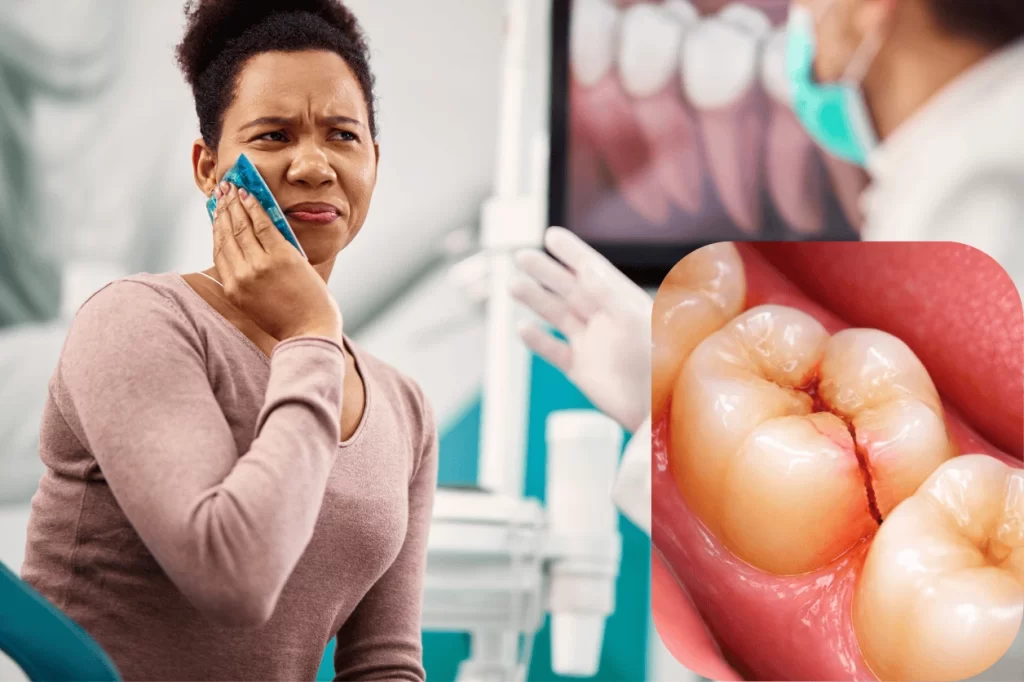
There are few things as universally dreaded as a sudden, sharp toothache. A cracked tooth can happen in a split second—thanks to an unexpected piece of ice—or it can develop silently over years of wear and tear. If ignored, a microscopic fracture can easily cost you a permanent tooth.
According to the American Dental Association, cracked teeth are the third leading cause of tooth loss in industrialized nations. But how do you know if you have one, and more importantly, how can you fix it? Let’s break it down.

1. What Exactly Is a Cracked Tooth?
A cracked tooth is simply a fracture or fissure in your tooth’s structure. These fractures range from harmless surface scratches to deep, root-level splits. Here are the five most common types:
Craze lines: These are tiny, superficial scratches on the outer enamel. They are incredibly common in adults, completely harmless, and require no treatment.
Fractured cusps: This happens when the pointed chewing surface of your tooth breaks off, often around an old dental filling. It rarely damages the inner nerve and is usually not very painful.
Cracked tooth: A fracture running vertically from the chewing surface down toward the root. The tooth hasn’t separated into pieces yet, but the crack will spread if left untreated.
Split tooth: The severe aftermath of an untreated cracked tooth. The tooth has completely split into two distinct segments and can rarely be saved intact.
Vertical root fracture: A sneaky, dangerous crack that begins at the root and extends upward. It usually shows minimal symptoms until the surrounding bone and gums become severely infected.
Note: Your back teeth (molars) are the most frequent victims because they bear the brunt of your daily chewing forces.

2. The Hidden Culprits Behind the Crack
Our teeth are incredibly strong, but they aren’t indestructible. They eventually yield to immense pressure and poor habits. The most common causes include:
Teeth Grinding (Bruxism): Chronically clenching or grinding your teeth—especially in your sleep due to stress—creates massive, destructive pressure over time.
Physical Trauma: Contact sports injuries, a nasty fall, or accidentally biting down hard on an unpopped popcorn kernel or hard candy.
The Test of Time: Just like any tool, teeth weaken with age. After 50 years of constant use, even normal chewing can fracture a fatigued tooth.
Large Fillings: Massive fillings (especially old silver amalgam ones) leave less natural tooth structure intact. They can act like a wedge, splitting the remaining tooth when you bite down hard.
Thermal Shock: Eating scorching hot soup and immediately drinking ice water causes your enamel to rapidly expand and contract, leading to micro-fractures over time.
Poor Dental Hygiene: Tooth decay softens the enamel, creating structural weak points that easily crack under normal biting pressure.
3. Red Flags Your Tooth Is Crying for Help
Unlike a cavity that usually causes a constant, dull ache, a cracked tooth acts like a ticking time bomb with erratic symptoms:
Pain upon releasing a bite: This is the most classic symptom. When you bite down, the cracked pieces are pushed together. When you release, the pieces snap apart, irritating the sensitive inner pulp and causing a sharp, sudden jolt of pain.
Extreme temperature sensitivity: You might experience a sudden, lingering zap of pain when consuming hot or cold foods.
Unlocalized pain: It is notoriously difficult to pinpoint exactly which tooth hurts. The pain often feels diffuse or radiates to other areas of your jaw.
Gum inflammation and swelling: If bacteria seep into the crack and reach the tooth’s pulp, you may notice swollen, red gums or a small, pimple-like abscess near the affected tooth.
4. When to Call the Dentist (And What to Do While Waiting)
Cracked teeth are incredibly tricky to diagnose. Standard X-rays often miss them, requiring dentists to use special dyes, bite tests, or microscopes. Ignoring the problem can lead to a dead nerve, severe infection, or complete tooth loss.
Here is a quick guide on when to seek professional help:
| Your Symptoms | Required Action |
| Severe pain, large broken piece, bleeding, or facial swelling | Emergency: Seek care within 24 – 48 hours |
| Intermittent sharp pain when chewing, sudden temperature sensitivity | Priority: Schedule an appointment within 1 week |
| Mild sensitivity, visible craze lines with no active pain | Monitor: Bring it up at your check-up within 1 month |
While you wait for your appointment:
Chew on the opposite side of your mouth. Avoid temperature extremes and aggressively hard foods. You can gently rinse with warm salt water and take over-the-counter pain relievers, but never apply an aspirin tablet directly to your gums.
5. Bulletproof Your Smile
You can’t prevent every accident, but you can drastically reduce your risk of a dental fracture with a few smart strategies:
Wear protective gear: If you grind your teeth at night, ask your dentist for a custom nightguard. Always wear a mouthguard during contact sports.
Stop using teeth as tools: Your teeth are for chewing food, not for ripping open plastic packages, biting fingernails, or cracking nuts.
Maintain foundational hygiene: Brush twice daily with fluoride toothpaste, floss to remove hidden plaque, and never skip your bi-annual dental check-ups.
Fuel your teeth: Ensure your diet includes plenty of Calcium and Vitamin D, and limit highly acidic beverages that erode your protective enamel.
Catching a crack early is the absolute best way to save your natural tooth. Don’t wait until the pain becomes unbearable to take action.
Would you like me to draft a quick, printable checklist that your readers can fill out and take to their next dental appointment to help them describe their symptoms accurately?